
Beyond The Blueprint
The Importance of Lighting in Interior Design
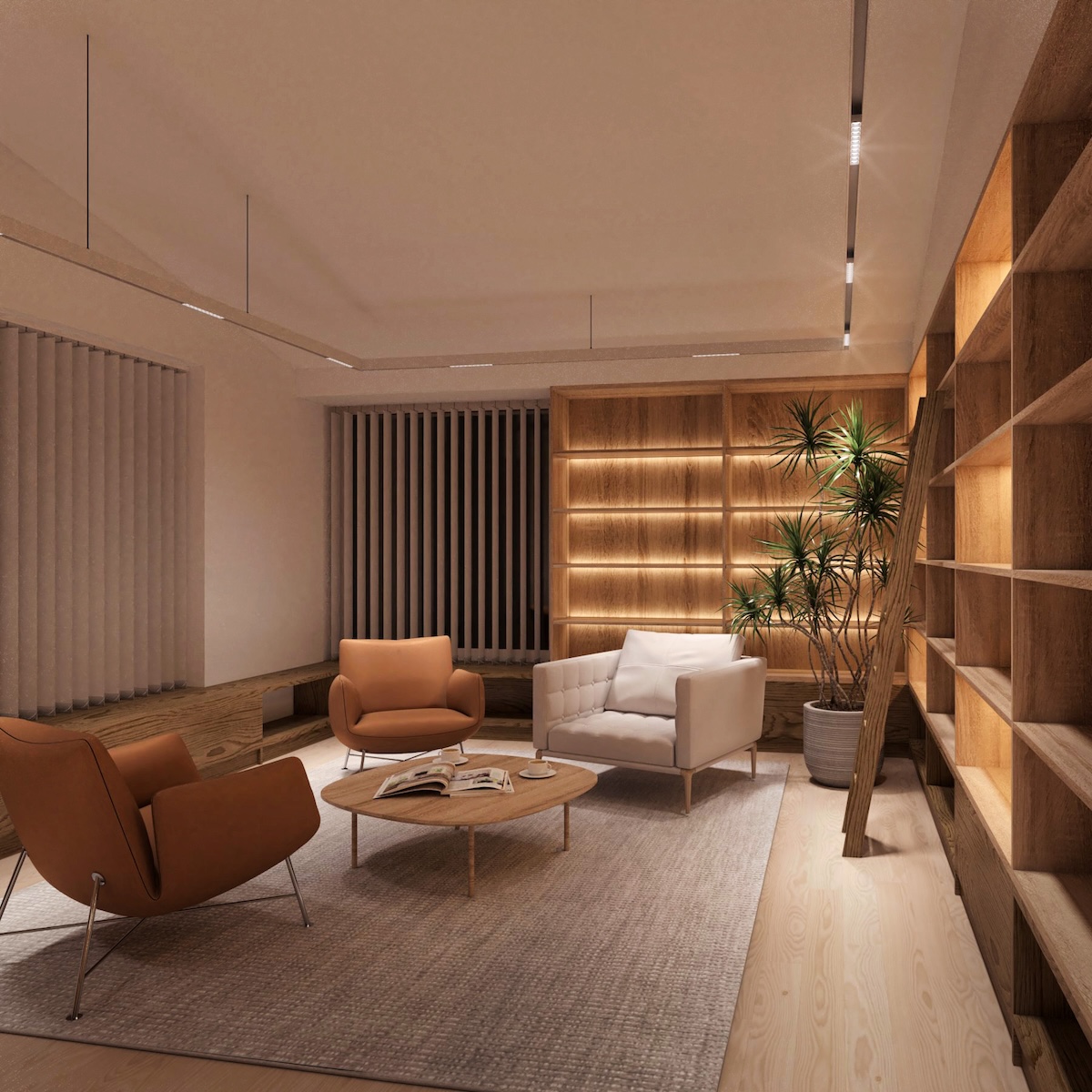
Table of Contents
The Importance of Lighting in Interior Design
Lighting is often the unsung hero of interior design. You can have the most beautifully curated space, but without the right lighting, it can fall flat. It’s not just about visibility—it’s about mood, functionality, and bringing a design to life. Let’s break down why lighting is one of the most crucial elements in any interior project.
Lighting Shapes Perception
Ever noticed how a space feels different in daylight versus under artificial light? That’s because lighting influences how we perceive colour, texture, and even spatial dimensions. A poorly lit room can feel smaller and less inviting, while a well-lit space can appear open and airy.
- Natural light enhances colours and creates dynamic shifts throughout the day.
- Artificial lighting allows control over mood and functionality, balancing aesthetics with practicality.
A well-thought-out lighting plan ensures that the design intention is seen in its best light—literally.
Layering Light for Depth and Functionality
One central overhead fixture isn’t enough. Good lighting design relies on layers:
- Ambient Lighting – The overall illumination of a space (e.g., ceiling fixtures, recessed lights).
- Task Lighting – Focused lighting for specific activities like reading or cooking (e.g., desk lamps, under-cabinet lights).
- Accent Lighting – Highlights architectural features, artwork, or statement pieces (e.g., spotlights, wall sconces).
Mixing these layers prevents a space from looking flat and creates a balance between function and aesthetic appeal.
The Emotional Impact of Light
Light affects mood. Think about the warm, intimate glow of a dimly lit restaurant versus the harsh brightness of an office space. The right lighting can evoke emotions and enhance the atmosphere:
- Warm light (yellow-toned) – Cosy, relaxing, inviting. Best for living rooms and bedrooms.
- Cool light (blue-toned) – Energising, focused, crisp. Ideal for workspaces and kitchens.
- Adjustable lighting – Dimmers and smart lighting allow flexibility, shifting the mood based on the time of day or occasion.
For interior designers, understanding how light interacts with colour psychology can elevate a design from good to unforgettable.
Highlighting Design Features
Lighting isn’t just about illumination—it’s a tool to direct attention. Want to draw focus to a statement wall? Use wall washers. Showcasing texture? Try side lighting to enhance shadows. Need drama? Go for uplighting to create depth.
Strategic lighting enhances materials, textures, and design elements, making spaces more dynamic and engaging.
The Role of Smart Lighting in Modern Design
Technology has changed the way we approach lighting. Smart lighting systems allow users to control brightness, colour temperature, and even light direction via apps or voice commands. For designers, this means greater flexibility and customisation to match clients’ lifestyles and preferences.
- Tuneable white lighting shifts from warm to cool throughout the day, mimicking natural light.
- Colour-changing LEDs offer playful, dynamic environments in hospitality and retail spaces.
- Motion-sensor and automated lighting improves energy efficiency and user convenience.
As technology evolves, lighting design is becoming more interactive and adaptable than ever before.
Final Thoughts
Lighting isn’t just a finishing touch—it’s a fundamental design element that dictates the feel and functionality of a space. Whether it’s creating a warm, inviting home or an energising workspace, the right lighting choices make all the difference. So, next time you plan a project, consider lighting as an integral part of the design from the start—not just an afterthought.
Need help crafting a lighting plan that works? Start with understanding the layers, playing with temperature, and incorporating smart solutions. Your designs will shine—literally and figuratively.