
Beyond The Blueprint
How to Get Into Architectural Visualization
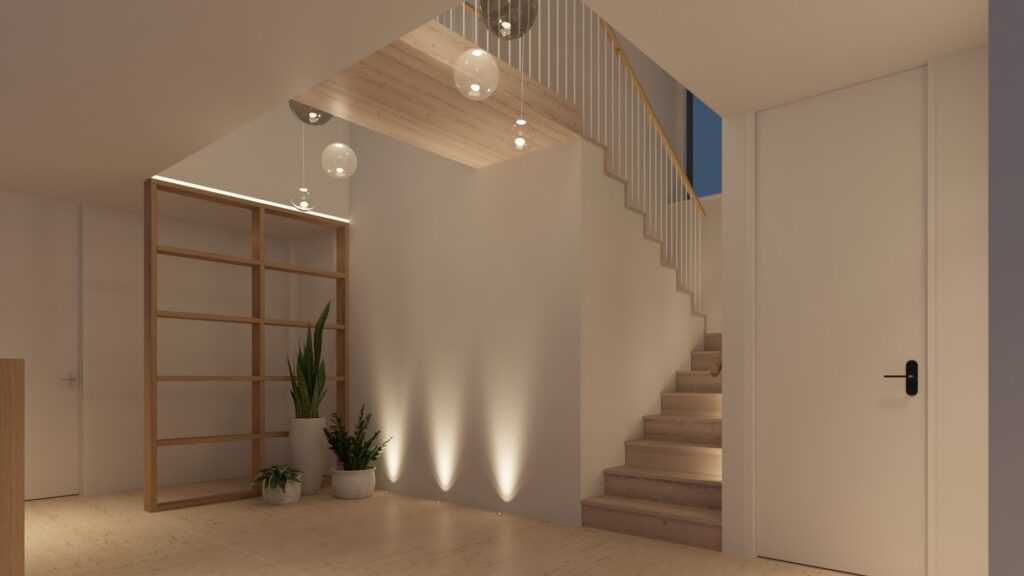
Table of Contents
Introduction
Have you ever marvelled at the breathtakingly realistic images of architectural designs that look like snapshots from the future? Welcome to the fascinating world of architectural Visualisation. Whether you’re captivated by the intricacy of interior design, the grandeur of exterior rendering, or the magic of virtual reality tours, this field combines artistry with technology to bring designs to life. But how do you get started in this rewarding career?
Understanding Architectural Visualisation
An architectural visualiser, also known as a Visualisation artist, creates 3D representations of architectural designs. These renderings—crafted with cutting-edge rendering software like 3ds Max, SketchUp and V-Ray, —are used to communicate ideas to clients, stakeholders, and design teams.
From conceptualising blueprints to creating detailed interior and exterior renderings, the work of a visualiser bridges the gap between imagination and reality. It’s a skill set in high demand across real estate, product design, and the architecture industry and is considered now an industry must have.
1. Build Your Skills with Education and Software
To succeed in architectural Visualisation, you’ll need to grow a solid understanding of architectural design, along with technical expertise in rendering software, as well as some knowledge of architectural photography. Here’s where to start:
- Degree or Courses: While formal education in architecture, graphic design, or interior design is beneficial, specialised Visualisation courses in tools like Autodesk 3ds, SketchUp, V-Ray, Blender and Unreal Engine are invaluable.
- Mastering Software: Architectural Visualisations is a multifaceted process which requires knowledge and proficiency in multiple softwares; from modelling the room or building, to rendering materials and lighting and finally post production.
- Continuous Learning: The industry is evolving everyday and very quickly, so stay updated by enrolling in advanced Visualisation courses, attending workshops or follow some of the industry favourites on YouTube.
2. Create a Portfolio That Stands Out
Your portfolio is your ticket into the industry. Prospective employers and clients want to see a range of projects that showcase your versatility. Include:
- Interior Visualisations that highlight your ability to create mood and atmosphere.
- Exterior Renderings showcasing realistic lighting and textures.
- Virtual Reality walkthroughs or animations, which are becoming increasingly popular in real estate and architecture.
3. Gain Practical Experience
Real-world experience is vital for building confidence and honing your craft. Here’s some examples of how to get started:
- Internships and Entry-Level Roles: Many architectural firms and Visualisation studios offer internships where you can learn on the job.
- Freelancing: Start with smaller projects for clients in Interior Design or Architecture to build your reputation.
Collaborate: Connecting with other professionals in architecture and design or other Architectural Visualisers will expose you to different styles, workflows, expertise and challenges.
4. Network Within the Industry
Effective networking can open doors you didn’t know existed. Join professional communities, attend industry events, and connect with fellow Visualisation artists. Platforms like LinkedIn and Instagram are great for showcasing your work,starting conversations and building relationships.
5. Hone Your Soft Skills
While technical skills are crucial, soft skills like effective communication throughout the entire project are just as important. You’ll need to:
- Clearly understand and execute client briefs.
- Collaborate seamlessly with, sometimes multiple, teams across architecture, design, and product development.
- Manage your time efficiently to meet deadlines without compromising on quality.
6. Stay Updated on Industry Trends
The Visualisation career landscape is constantly evolving. Technologies like virtual reality, real-time rendering, and AI-driven tools are always changing how architectural renderings are created. Although not all tools may be relevant for your goals, stay ahead of the curve by:
- Following industry blogs and publications.
- Participating in online forums and discussion groups.
- Experiment all the time with new tools and techniques in your free time, especially those designed to create renders faster.
7. Be Persistent and Patient
Breaking into architectural Visualisation takes passion, time and dedication. Treat each project as an opportunity to learn and grow. With persistence and patience, your efforts will always pay off, and you’ll carve out a rewarding career in this exciting field.
Final Thoughts
Getting into architectural Visualisation is a journey that blends creativity, technical know-how, and a passion for design. By mastering the tools of the trade, building a standout portfolio, and cultivating meaningful connections in the industry, you can transform your passion into a thriving career.
Remember to be kind to yourself while on your journey, every project is a learning curve and a step closer to your dream. So, what are you waiting for? Dive into the world of architectural rendering, and let your artistic visions shape the future of architecture and design.