
Beyond The Blueprint
The Right Light for Every Space: Understanding Colour Temperature and Its Best Uses
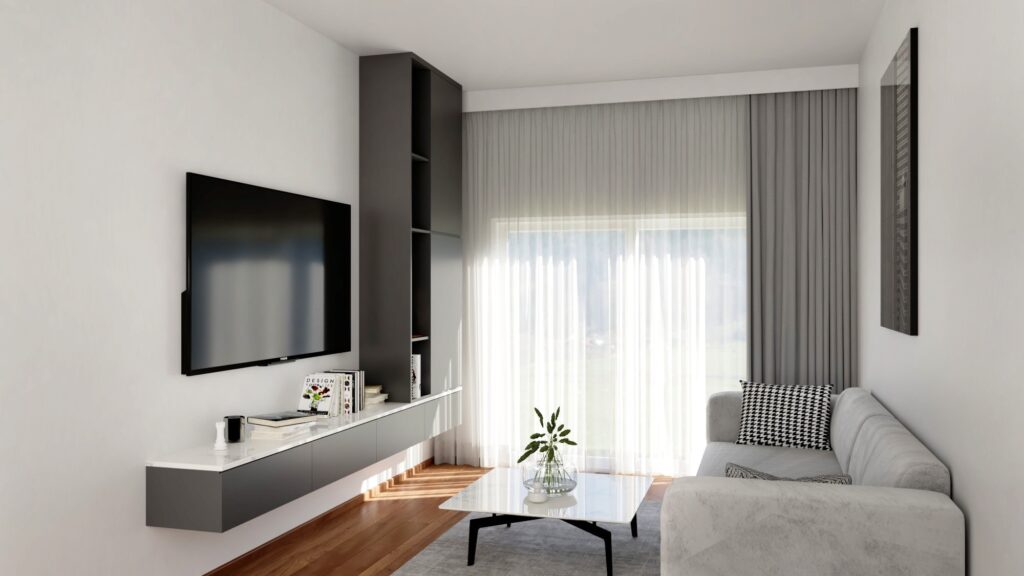
Table of Contents
Introduction: Why Colour Temperature Matters
Lighting isn’t just about brightness—it shapes the way we experience a space. Ever walked into a room and instantly felt at ease? Or maybe you’ve been in an office that just felt… off? That’s colour temperature at play. Measured in Kelvins (K), different shades of white light can completely change the atmosphere of a room. Whether you’re looking to create a warm, cosy environment or a crisp, focused workspace, choosing the right colour temperature is key.
The Kelvin Scale: A Quick Guide
Understanding the Kelvin scale helps when selecting lighting for different environments:
- Warm White (2700K–3000K): Soft, yellow-toned light that feels intimate and inviting. Perfect for bedrooms, living rooms, and restaurants where comfort is the goal.
- Neutral White (3500K–4500K): Balanced, natural-looking light. Works well in kitchens, bathrooms, and offices where clarity is important, but you don’t want the harshness of cooler tones.
- Cool White (5000K–6500K): Bright, bluish-white light that mimics daylight. Ideal for workspaces, hospitals, and retail environments where focus and alertness are needed.
How to Choose the Right Colour Temperature for Your Space
Each room serves a different purpose, and lighting should reflect that:
- Living rooms & bedrooms: Warm white (2700K–3000K) creates a relaxing, snug feel, ideal for winding down in the evening. Think of a cosy reading nook or a softly lit bedside lamp.
- Kitchens & bathrooms: Neutral white (3500K–4500K) ensures functionality without being too harsh. It provides clarity for tasks like cooking or applying makeup, while still feeling comfortable.
- Offices & workspaces: Cool white (5000K–6500K) enhances concentration and alertness, making it great for work desks or home offices. It’s why many commercial offices use bright white lighting—it keeps employees awake and productive.
Retail & commercial spaces: The choice here depends on branding. Luxury shops often use warm lighting for an inviting feel, while tech stores lean towards cool lighting to create a sleek, modern look.
Case Study: The Coffee Shop Transformation
Imagine a small independent café struggling to retain customers. Despite great coffee, the space felt uninviting, and people didn’t stay long. The culprit? Lighting.
- Before: The café had bright, cool white lights (6000K), giving it a clinical, almost sterile feel—better suited to a hospital than a cosy coffee spot.
- The Change: They switched to warm white lighting (2700K) and added dimmable fixtures.
- The Result: The atmosphere softened instantly. Customers felt more at home, stayed longer, and even spent more on extra drinks and pastries. Simply adjusting the colour temperature transformed the space and improved the business.
When to Mix and Layer Different Temperatures
In some cases, using a mix of lighting temperatures can enhance both aesthetics and function:
- Ambient vs. Task Lighting: You might want warm ambient lighting in a living room but a cooler, focused desk lamp for reading or working.
- Smart Lighting: Adjustable smart bulbs allow you to change colour temperature throughout the day—warm light in the evening, cool light in the morning.
- Outdoor Lighting: Warmer lights (3000K) work well for patios and gardens, while cooler lights (5000K) improve visibility for security lighting.
Final Thoughts: The Power of the Right Light
Lighting isn’t just about seeing—it’s about feeling. A simple change in colour temperature can make a space more welcoming, more productive, or more stylish. So next time you’re updating a room, consider more than just wattage—think about warmth, clarity, and the kind of atmosphere you want to create.